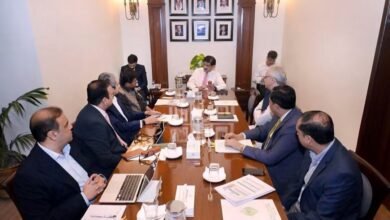
Sindh Chief Minister Syed Murad Ali Shah met with UNICEF’s new Pakistan Representative, Ms. Pernille Ironside, welcoming her and expressing optimism that the partnership between his government and UNICEF will grow stronger during her term. The meeting, held at CM House on Monday, was attended by Principal Secretary to CM Agha Wasif and Secretary to CM Raheem Shaikh. The UNICEF Karachi Chief Field Officer, Mr. Prem Bahadur Chand, also participated. Ms. Ironside discussed ongoing and future collaborations with the Sindh government. Welcoming the UNICEF team, Chief Minister Murad Ali Shah said the provincial government values its “excellent partnership” with UNICEF in multiple sectors, particularly in responding to natural disasters and strengthening essential services.During the meeting, both sides held detailed discussions on the flood situation and the provincial government’s preparedness to face related challenges. The CM noted that Sindh had taken strong measures to mitigate the impact of floods, while UNICEF’s timely support had proven crucial for affected communities.Mr Shah lauded UNICEF’s efforts in flood-hit areas, where the agency enhanced primary health care, maternal, newborn, and child health services in five districts, benefiting more than 555,000 people, including 420,000 children and 130,000 women. UNICEF also worked on rehabilitating cold chain systems for vaccines and established round-the-clock birth-dose vaccination sites in public hospitals, ensuring newborns receive life-saving immunisation before discharge.The meeting also highlighted UNICEF’s broader portfolio in Sindh. These include the Sindh School Daily Monitoring System (SSDMS) to track student attendance and reduce dropouts through real-time alerts.The Sindh Technical Assistance for Development through Enhanced Education Programme (STA DEEP) education reform programme, which introduced decentralised school management, digital monitoring, and professional development for teachers, benefited more than 55,000 children.Non-formal basic education centres, set up with international support to bring thousands of out-of-school children back into learning through accelerated programmes. Safe spaces for children and psychosocial support initiatives in flood-affected areas, providing healing and recreational activities to help children recover from trauma. Livelihood and skills training programmes for adolescent girls in Khairpur and Ghotki, empowering them through vocational training and community awareness.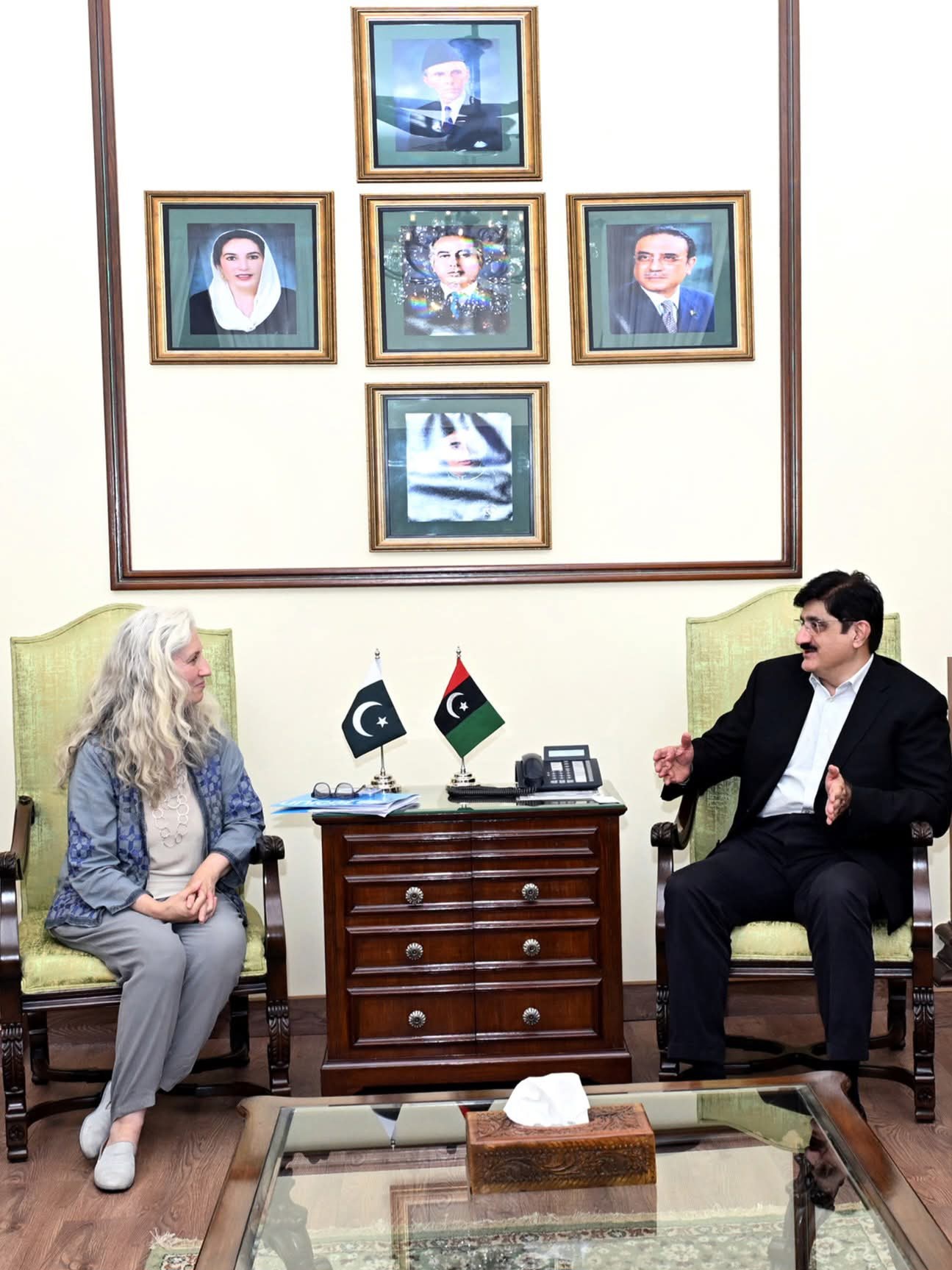
The CM expressed gratitude to UNICEF for standing by Sindh during times of crisis, particularly floods, and for supporting long-term improvements in education, health, and child protection. He reaffirmed his government’s commitment to continue working with UNICEF to ensure children and families across Sindh have access to better health, education, and protection services.