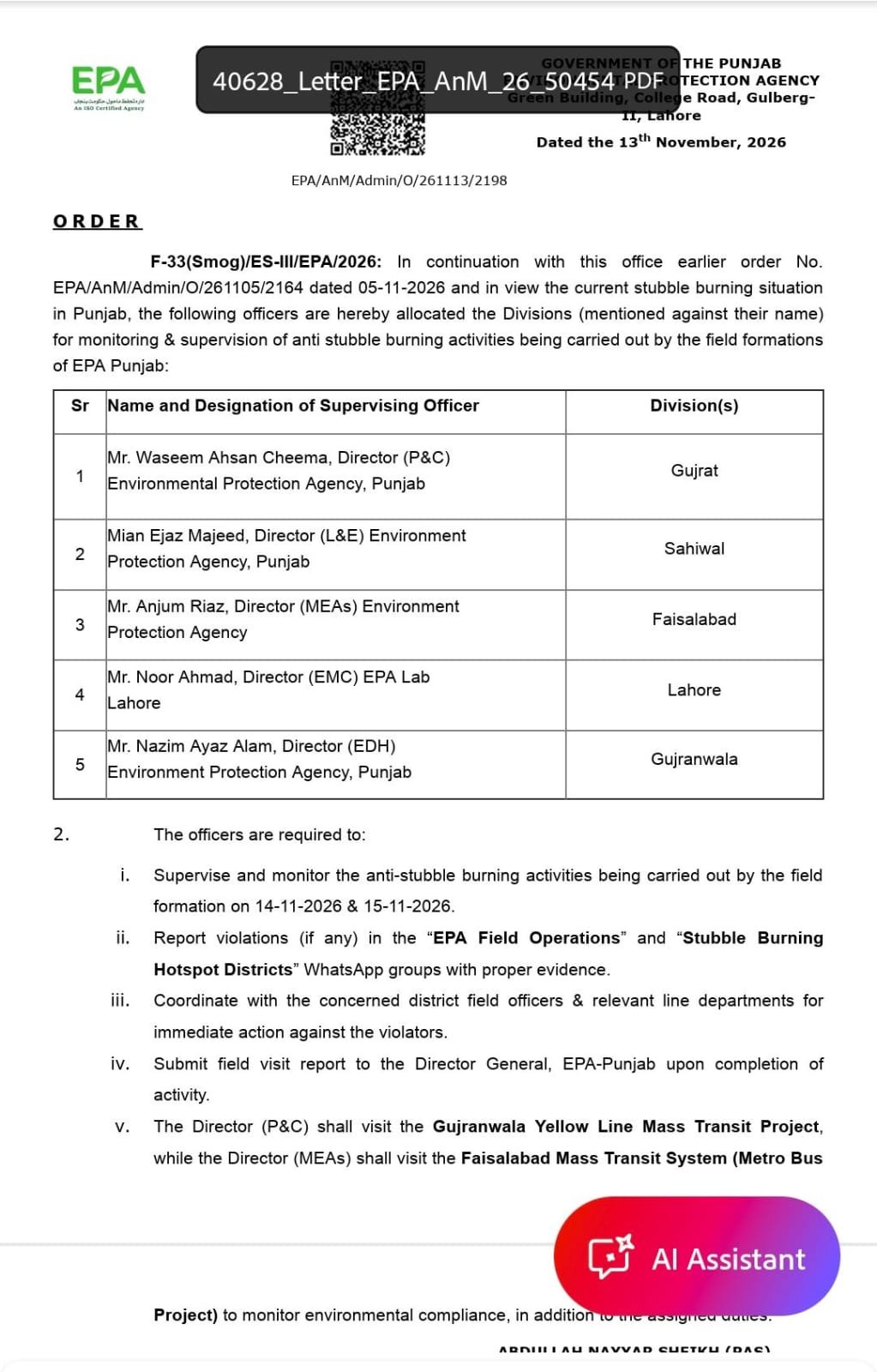
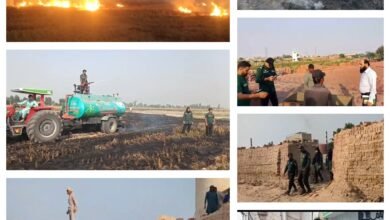
The Environment Protection Agency (EPA) Punjab has deployed its headquarters-based directors across different divisions of the province to directly supervise anti-stubble burning operations, strengthen field monitoring and ensure an effective response to crop-residue fires during the ongoing smog season.The directors are already present in their assigned divisions, where they are monitoring field operations in coordination with EPA field formations, agriculture department personnel and district administrations. The initiative is aimed at strengthening provincial-level supervision, improving coordination among departments, ensuring accountability of field teams and expediting action against incidents of stubble burning, particularly in identified hotspot districts.Director General EPA Punjab Abdullah Nayyer Sheikh said that the deployment of senior officers from headquarters to different divisions was intended to ensure direct supervision of anti-stubble burning operations rather than relying solely on routine reporting from field formations. He emphasised the importance of monitoring the actual situation on the ground, verifying reported fire incidents, identifying operational gaps and ensuring that every detected hotspot receives a timely response.He said that stubble burning required coordinated efforts by the Environment Protection Agency, agriculture department and district administrations, as effective prevention depended on continuous surveillance, immediate field intervention and close coordination among all relevant departments. The presence of senior officers in the field would help strengthen monitoring, improve response efficiency and ensure that any negligence or delay in addressing reported incidents was brought to notice.According to an official order issued on November 13, five directors posted at EPA Punjab headquarters have been assigned specific divisions to supervise anti-stubble burning activities on November 14 and 15. Director (P&C) Waseem Ahsan Cheema has been assigned Gujrat Division, Director (L&E) Mian Ejaz Majeed Sahiwal Division, Director (MEAs) Anjum Riaz Faisalabad Division, Director (EMC) EPA Lab Lahore Noor Ahmad Lahore Division and Director (EDH) Nazim Ayaz Alam Gujranwala DivisionThe directors have been directed to supervise and monitor anti-stubble burning activities being carried out by field formations, report violations through the EPA Field Operations and Stubble Burning Hotspot Districts WhatsApp groups with proper supporting evidence, and coordinate with concerned district field officers and relevant line departments for immediate action against violators. They are also required to submit field visit reports to the Director General EPA Punjab upon completion of their assignments.The consolidated district-wise monitoring dashboard, updated on November 14, shows that the agency has detected 898 fire anomalies across eight districts, with 820 incidents attended and 823 fires reported as extinguished. A total of 67 Quick Response Crews (QRCs) have been deployed in these districts, while the overall response rate stands at 91.3 per cent. However, 96 detected anomalies remain pending for response.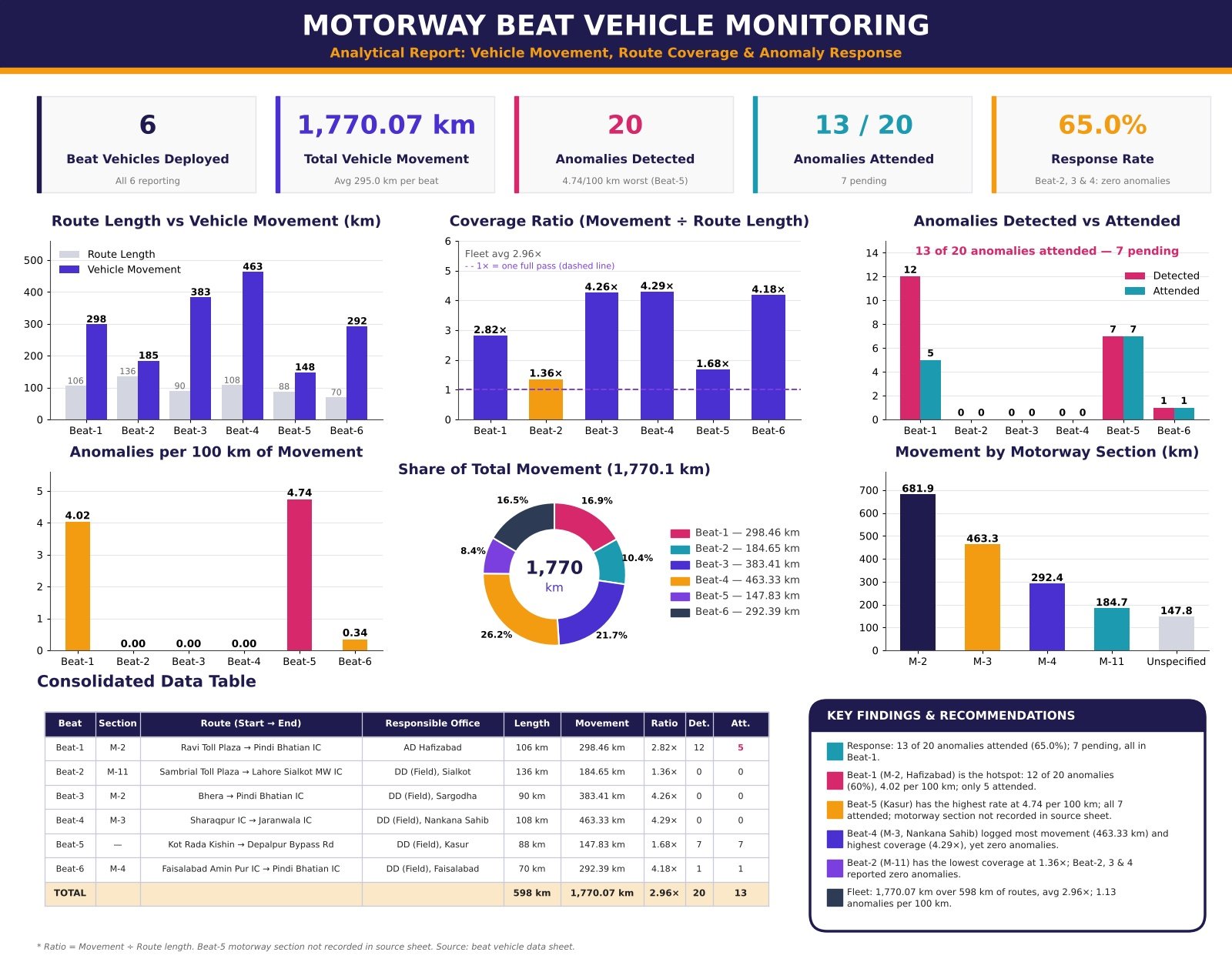
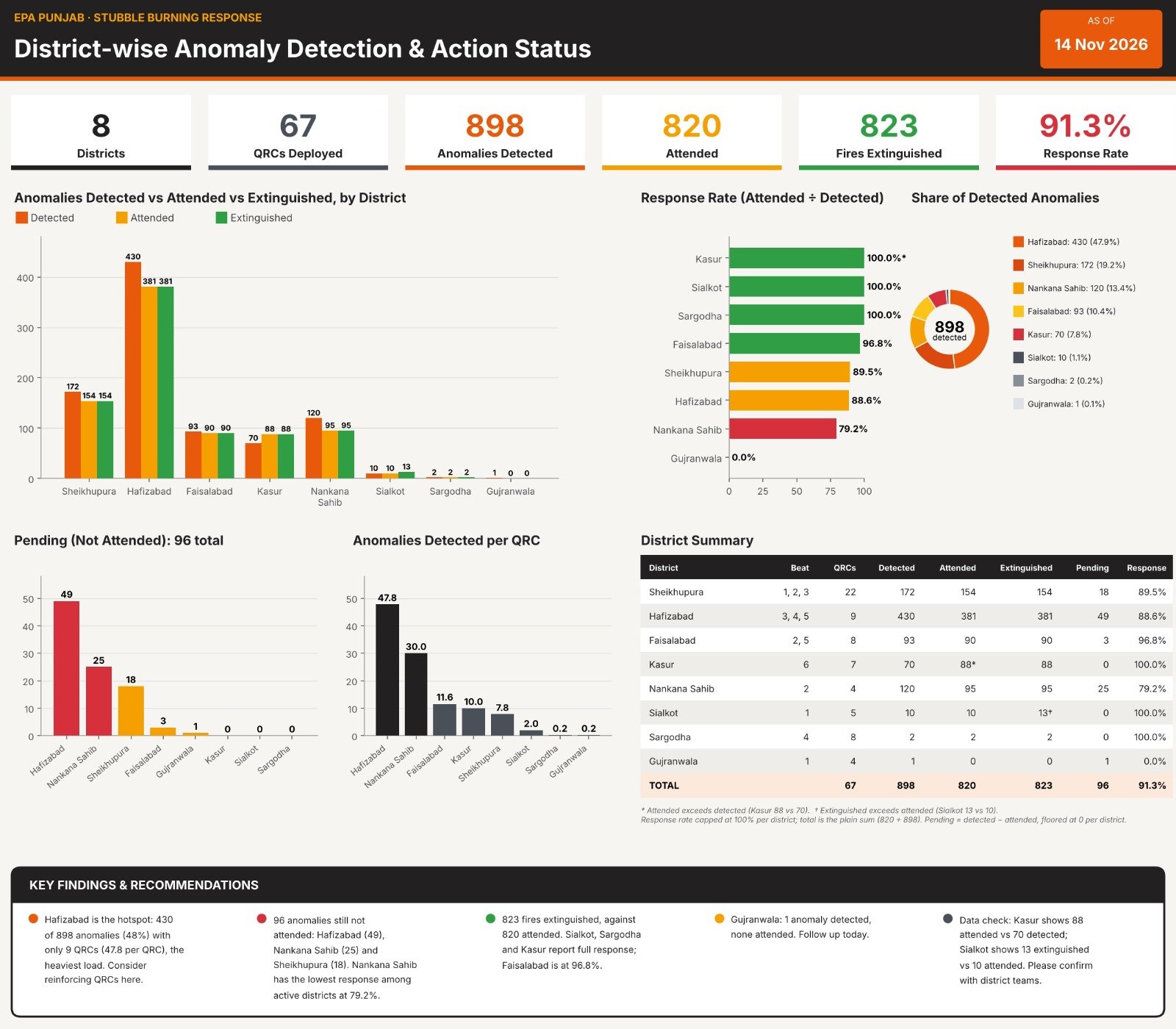 Hafizabad has emerged as the largest hotspot, accounting for 430 anomalies, representing approximately 47.9 per cent of the provincial total. Of these, 381 have been attended and 381 fires extinguished, while 49 remain pending. The district has nine QRCs deployed, with an average of 47.8 detected anomalies per crew, indicating the highest operational pressure among the monitored districts.Sheikhupura ranks second with 172 detected anomalies, of which 154 have been attended and extinguished, while 18 remain pending. The district has 22 QRCs deployed and a response rate of 89.5 per cent.Nankana Sahib has reported 120 anomalies, with 95 attended and 95 extinguished, leaving 25 pending. Its response rate stands at 79.2 per cent, the lowest among the districts with substantial reported activity. Faisalabad has recorded 93 anomalies, of which 90 have been attended and extinguished, leaving three pending and achieving a response rate of 96.8 per cent.Kasur has recorded 70 detected anomalies, while its dashboard shows 88 attended and 88 extinguished, with no pending cases. Sialkot has reported 10 detected anomalies, 10 attended and 13 extinguished, with no pending cases. Sargodha has recorded two anomalies, both attended and extinguished, while Gujranwala has reported one anomaly, which remained unattended at the time of reporting.The district-wise figures show that Hafizabad, Sheikhupura and Nankana Sahib together account for 722 of the 898 detected anomalies, making these districts particularly important for sustained monitoring and deployment of response resources.Separately, the motorway beat vehicle monitoring report for the latest 24-hour period recorded 20 fire anomalies, of which 13 were attended, while seven remained pending. The response rate stood at 65 per cent.Six beat vehicles collectively covered 1,770.07 kilometres against their assigned route length of 598 kilometres, representing an average coverage ratio of 2.96 times the designated routes. The report recorded average vehicle movement of approximately 295 kilometres per beat.Beat-1, covering the Ravi Toll Plaza to Pindi Bhattian Interchange route on M-2, recorded the highest number of anomalies at 12. Five were attended, while seven remained pending. The beat vehicle covered 298.46 kilometres against an assigned route length of 106 kilometres.Beat-5, covering the Kot Rada Kishan to Depalpur Bypass Road route, recorded seven anomalies, all of which were attended. It registered the highest anomaly frequency at 4.74 per 100 kilometres of vehicle movement, with 147.83 kilometres covered against an assigned route length of 88 kilometres.Beat-6, covering the Faisalabad Aminpur Interchange to Pindi Bhattian Interchange route on M-4, detected one anomaly, which was attended. Its vehicle covered 292.39 kilometres against a route length of 70 kilometres.No anomalies were reported by Beat-2, operating on the Sambrial Toll Plaza to Lahore-Sialkot Motorway Interchange route on M-11; Beat-3, covering Bhera to Pindi Bhattian Interchange on M-2; and Beat-4, covering Sharqpur Interchange to Jaranwala Interchange on M-3.Beat-4 recorded the highest vehicle movement at 463.33 kilometres, followed by Beat-3 at 383.41 kilometres and Beat-1 at 298.46 kilometres. Beat-2 covered 184.65 kilometres, while Beat-5 recorded 147.83 kilometres.The monitoring analysis further showed that Beat-1 recorded 4.02 anomalies per 100 kilometres, while Beat-5 had the highest anomaly frequency at 4.74 per 100 kilometres. The overall motorway fleet recorded approximately 1.13 anomalies per 100 kilometres of vehicle movement.As part of their additional environmental monitoring responsibilities, Director (P&C) Waseem Ahsan Cheema has also been assigned a visit to the Gujranwala Yellow Line Mass Transit Project, while Director (MEAs) Anjum Riaz has been directed to visit the Faisalabad Mass Transit System (Metro Bus Project) to assess environmental compliance alongside their assigned anti-stubble burning duties.The agency is combining district-level anomaly detection, motorway beat vehicle surveillance and field-based Quick Response Crews to identify fire incidents and ensure their timely extinguishment. The deployment of headquarters directors across divisions is intended to provide direct oversight of these operations, improve coordination between provincial and district-level teams, verify field performance and ensure that pending incidents are addressed without delay.The latest consolidated figures reflect the scale of the ongoing monitoring operation, with 898 anomalies detected across eight districts and 823 fires reported extinguished, while motorway surveillance separately recorded 20 anomalies during the latest 24-hour reporting period. The agency is maintaining coordinated field supervision to prevent crop-residue burning, strengthen enforcement and minimise the contribution of agricultural fires to seasonal air pollution.
EPA deploys headquarters directors across Punjab divisions to supervise anti-stubble burning operations