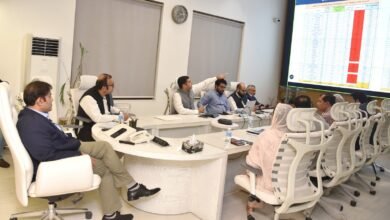
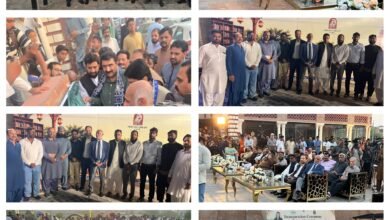
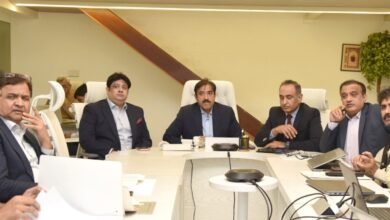
A consultation held by the Human Rights Commission of Pakistan (HRCP) to examine the Punjab Local Government Act 2025 brought together local government experts, legislators and civil society activists, who questioned whether the new law meaningfully upholds the constitutional promise of local self-government. Lawyer Sheikh Sibghat Ullah noted that Article 140A of the Constitution guarantees autonomous, democratically elected local governments with political, administrative and financial authority. However, the Punjab Local Government Act 2025 significantly weakens this guarantee by making local bodies accountable upward to the provincial government and bureaucracy rather than downward to citizens. HRCP treasurer Husain Naqi expressed concern over the re-centralization of authority through indirect elections, bureaucratic dominance and the diluted role of elected representatives, accommodating the bureaucracy and chief minister. Elections expert Tahir Mehdi argued that the intention of all local government laws was to prevent democracy from taking root and that this Act was no exception.Local government expert Zahid Islam pointed out the limitations of indirectly electing key officeholders, which, he said, must end. As a way forward, he reminded participants of the recent resolutions of the Punjab and Khyber Pakhtunkhwa assemblies. These had articulated the need to define Article 7 of the Constitution; to make Article 32 more inclusive of all marginalized groups, including women and youth, minorities and labour; and to add a separate chapter on local governments to the Constitution. He also declared that reserved seats promoted marginalisation and that all elections must be held based on a joint electorate.HRCP director Farah Zia suggested holding the local, national and provincial elections on the same day to prevent uncertainty—a move that was due to be implemented in Gilgit-Baltistan.The consultation highlighted troubling aspects related to inclusion and equality. Aurat Foundation representative Nabila Shaheen raised concerns about the absence of clear guarantees for meaningful representation of women and disadvantaged groups. Rights activist Samson Salamat expressed alarm over the inclusion of faith-based declarations within a local governance framework, which, he said, risked undermining the principle that local government should rest on a social contract between the state and its people. PML-N legislators Bushra Lodhi and Qudisa Batool argued that the Act would help address people’s need at the grassroots level.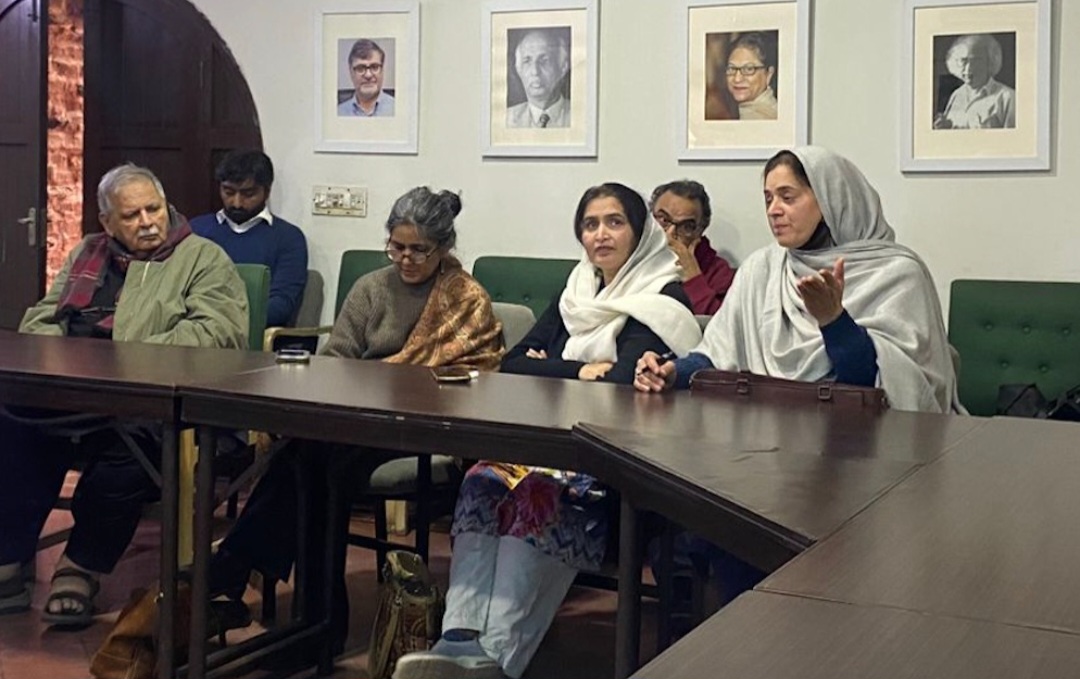
Concerns were expressed over the hurried legislative process through which the Act was passed the day it was presented amid the opposition’s walkout, raising questions about transparency and democratic law-making. PTI representative Imtiaz Mehmood pointed out that the Act effectively eliminated the role of political parties, which they had challenged in the court. HRCP Punjab vice-chair Raja Ashraf concluded the discussion by saying that elections in the country had, historically, remained contested.The consensus among most participants was that local government was the foundation of democratic governance and effective service delivery, whereas this Act centralized power instead of devolving it.